

Freeze Protecting Your Pressure Vacuum Breaker

Freezing? Protect Your Vacuum Breaker (Backflow) the Right Way
Outdoor vacuum breakers / backflow preventers on irrigation systems can crack with the first hard freeze. A few quick steps—drain, isolate, insulate—prevent costly spring repairs. Here’s how to winterize a typical PVB (pressure vacuum breaker) or above-grade backflow assembly and what to check at spring start-up.
When to Winterize
- Before nightly lows hit 32°F (0°C) for more than a few hours.
- If a surprise cold snap is coming, do the quick drain steps below and add an insulating cover the same day.
What You’ll Need
- Flat screwdriver or test-cock key
- Adjustable wrench (for unions/bonnets if servicing)
- Insulated backflow cover or enclosure
- Shop towels/bucket
Winterize in Minutes (Most PVB/Above-Grade Assemblies)
- Shut off irrigation water at the supply valve feeding the backflow (usually a ball valve below/behind the assembly).
- Open downstream valves (zones) to relieve pressure. If you have manual drains, open those too.
- Open test cocks on the backflow ¼–½ turn to vent and drain. Keep them angled slightly down so water escapes.
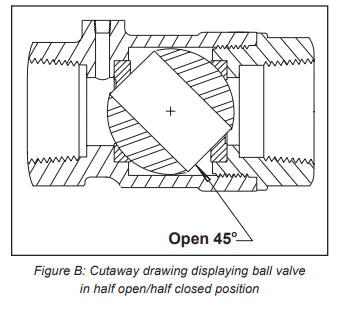
- Set the shutoff handles at 45° (half-open) so trapped water can expand without breaking the body.
- Optional blow-out: If you winterize the whole sprinkler system, connect air after the backflow at the manifold and keep pressure within sprinkler ratings (many pros keep zone blow-outs ≤50 PSI). Do not blast high pressure through the backflow body.
- Insulate & cover: Slip an outdoor-rated insulated cover over the assembly; seal drafts from below. In severe climates, use a listed heat-tape solution per instructions.
Tip: A frozen bonnet/poppet is the most common failure on PVBs. If yours drips in spring or won’t seal, a repair kit is usually all it needs.

Spring Start-Up Checks
- Close test cocks and return shutoff handles to fully open (parallel with pipe).
- Pressurize slowly and inspect for leaks at the bonnet, relief ports, and unions.
- If water vents continuously from the top/relief, inspect/replace bonnet & poppet or check assemblies.
“Shop This Type” Cards
Febco Backflows
Insulated Backflow Covers
Repair Kits (Bonnet/Poppet, Checks)
Code note: Always follow your local plumbing code and manufacturer instructions. Some regions prohibit insulating over test ports without removable access—choose covers that allow service.
Blog posts
-

Low Voltage Landscape Lighting Setup for Beginners
Read nowTransform your yard with our easy DIY guide. Learn how to plan, install, and enjoy low voltage landscape lighting without the cost of a professional.
-

Printable Spring Sprinkler Start-Up Checklist (Inspect, Connect, Direct, Select)
Read nowPrint this quick checklist to start your sprinkler system safely, test each zone, catch leaks, and set a smart spring schedule in under an hour.
-

Printable Sprinkler Zone Log (Run Each Zone + Record Repairs)
Read nowRun each zone for a few minutes, write down what you see, and you’ll know exactly what to fix (and what parts to buy). Download our printable Zone Log and make your spring sprinkler start-up faster and more efficient.


Leave a comment