

Low Voltage Landscape Lighting Setup for Beginners
Transform your yard with our easy DIY guide. Learn how to plan, install, and enjoy low voltage landscape lighting without the cost of a professional.
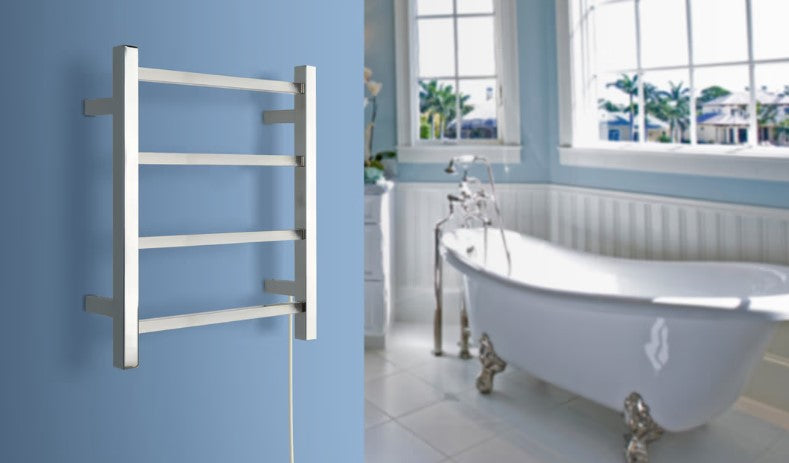
Towel warmers, frequently referred to as heated towel racks, are not just luxury appliances but lifestyle game-changers. Though primarily seen in bathrooms, their benefits and applications span various rooms in your home.
As we delve into the world of towel warmers, we hope to shed light on their multiple facets, from their diverse applications to their worthiness as an investment.

Sure, the most common use of a towel warmer is to provide that delightful sensation of wrapping yourself in a warm towel post-shower. But the versatility of these devices goes beyond the bathroom.
Did you know that towel warmers also serve as supplementary heaters while operating? Especially in bathrooms, where tiles can feel cold, they add a touch of warmth, enhancing overall comfort.

These aren't merely functional pieces. Their sleek design adds a touch of elegance and modernity to any space they adorn. Remember, however, that towel warmers work best with towels made of natural materials. Pairing them with microfiber or quick-dry synthetic towels might not yield the best results.
The rule of thumb is simple: If there's a wall, there's potential for a towel warmer. While bathrooms are the obvious choice due to the presence of showers or tubs, other spaces like mudrooms and laundry rooms can equally benefit.
Remember, the material of most towel warmers, usually stainless steel, is designed for minimal upkeep, marrying luxury with convenience.
While the allure of a warm, toasty towel is undeniable, one might wonder about the cost implications. The good news is that towel warmers cater to a range of budgets. Furthermore, their energy consumption is surprisingly low, ensuring they don't leave a dent in your electricity bill. With daily operational costs amounting to mere cents, they genuinely embody affordable luxury.
In your quest for the perfect towel warmer, you'll likely come across two primary types: hydronic and electric.
These use water as a heating medium and need a connection to hot-water plumbing. Installation can be intricate, often integrated during extensive remodeling or construction phases.
Electric versions, on the other hand, utilize an electric heating cable. They come in both plug-in and hardwired variants. The former is a breeze to set up, demanding only a standard outlet. Hardwired ones, though slightly more involved in the installation, offer a cleaner look with concealed wiring.
When comparing plug-in versus hardwired, it boils down to personal preferences and installation ease. If aesthetics are paramount, a hardwired option might be more suitable. But for those seeking simplicity and minimal setup, plug-in versions are ideal.

Towel warmers are more than just bathroom accessories; they embody comfort, luxury, and functionality. Whether it's the indulgence of a heated towel post-shower, the convenience of drying swimwear, or the added warmth they bring to spaces, they are undeniably invaluable additions to modern homes.
Transform your yard with our easy DIY guide. Learn how to plan, install, and enjoy low voltage landscape lighting without the cost of a professional.

Print this quick checklist to start your sprinkler system safely, test each zone, catch leaks, and set a smart spring schedule in under an hour.

Run each zone for a few minutes, write down what you see, and you’ll know exactly what to fix (and what parts to buy). Download our printable Zone Log and make your spring sprinkler start-up faster and more efficient.
{"one"=>"Select 2 or 3 items to compare", "other"=>"{{ count }} of 3 items selected"}
Leave a comment